





%20(1)-Oct-14-2026-03-04-44-3197-PM.png?width=750&height=450&name=RedBeam%20Blog%20Photos%20(1000%20x%20600%20px)%20(1)-Oct-14-2026-03-04-44-3197-PM.png)




The Future of RFID Technology
Summary • 3 minutes read
Share


%20(4).png?width=1062&name=RedBeam%20Blog%20Photos%20(1000%20x%20600%20px)%20(4).png)
RFID isn’t slowing down—it’s accelerating.
In the final episode of our All About RFID series, Kyle Stanford, RFID Solutions Architect at RedBeam, looks ahead at where the technology is going next: from smarter tags and AI-driven insights to global adoption and truly connected supply chains.
Smarter RFID: Data, Devices, and Intelligence
RFID has moved beyond simple tag reads. Today’s systems push massive volumes of data to the cloud, where software platforms like RedBeam apply business logic, analytics, and automation to transform raw reads into real-time visibility.
With millions of tag movements each day, the data is too complex for traditional databases alone. That’s where AI and machine learning come in—helping organizations make sense of patterns humans can’t manually interpret.
And it’s not just cloud intelligence anymore. RFID readers are becoming edge computers capable of instant decisions—triggering alerts, updating workflows, or communicating directly with IoT devices.
Smarter Tags: Sensors, Printing, and “Smart Dust”
RFID tags are also evolving. New generations of tags include environmental sensors that monitor temperature, humidity, or even freshness—think packaging that changes color when food spoils.
Other innovations, like printable RFID, could allow companies to print antenna patterns directly onto paper, fabric, or plastic. That means RFID could soon be built into every product or package without needing a separate label.
And the most futuristic concept yet—smart dust—takes RFID to the microscopic level, turning particles into tiny, readable sensors. It’s early, but it shows where the technology is headed: everywhere.
Smarter Readers: Edge Computing and Instant Actions
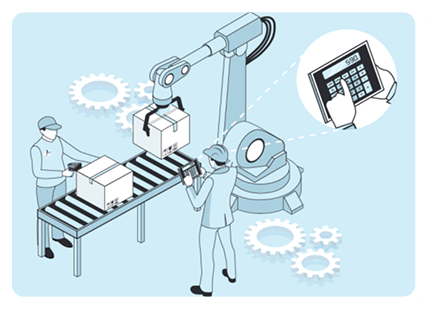
Readers aren’t just passive devices anymore. Modern RFID readers act as mini computers, processing data locally for immediate responses—like diverting a conveyor, opening a gate, or triggering a light—without waiting for cloud latency.
This edge computing approach ensures speed and reliability in time-sensitive environments like manufacturing, logistics, or healthcare. Some systems are even capable of reader-to-reader communication, reducing the need for separate middleware.
Global Standards Driving Universal Adoption
The future of RFID also means a more connected global ecosystem. Thanks to international standards like GS1 and SGTIN-96, tags are beginning to “speak the same language” worldwide.
This interoperability allows companies to track and identify items seamlessly across supply chains—whether in manufacturing, distribution, or retail—creating massive efficiency gains and transparency from source to shelf.
4 RFID Trends to Watch
Kyle wrapped the episode with a few predictions (and hopes) for the near future:
- Real-time inventory in every retail store – no more “in-stock online, out-of-stock in person.”
- Automated checkout – just grab what you need, walk out, and pay automatically.
- Instant asset tracking – preventing equipment loss and saving organizations thousands each year.
- Smart packaging – integrating sensors directly into materials to monitor freshness, temperature, and more.
Each of these represents a step toward smarter, more autonomous operations powered by RFID.
The Bottom Line
RFID’s growth isn’t linear—it’s exponential. From AI analytics to global standards and smarter devices, the future of RFID technology is bright, fast-moving, and closer than most people realize.
If you haven’t started exploring how RFID could transform your operations, now’s the time to learn. Book a demo with RedBeam today, to see how RFID could help your operations.
.png?width=352&name=RedBeam%20Blog%20Photos%20(1000%20x%20600%20px).png)